As demand for vegan leather products and plant-based leather accessories grows globally, more brands are entering the sustainable product space. But many companies quickly discover a major problem:
Not every manufacturer can actually work with bio-based leather materials properly.
Unlike conventional synthetic leather, many plant-based leather materials have:
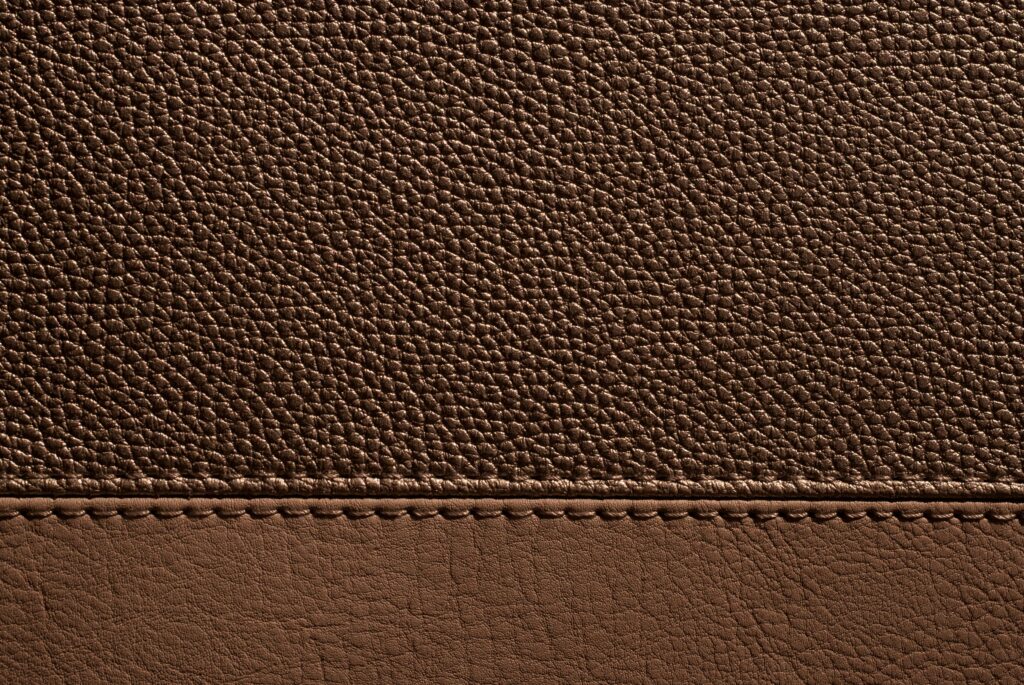
- rough textures
- uneven surfaces
- lower flexibility
- unique grain structures
- highly sensitive finishing requirements
The result?
A large percentage of manufacturers struggle to produce premium-quality products consistently.
Plant-Based Leather Is Difficult To Handle
One of the biggest misconceptions in the industry is that bio leather behaves like standard PU leather.
It doesn’t.
Many sustainable leather alternatives are naturally rougher because of the organic fibers and plant content used during material development. Some materials may appear slightly textured or rigid compared to conventional synthetic leather but that is often a characteristic of authentic bio-based construction.
Working with these materials requires:
- precision cutting
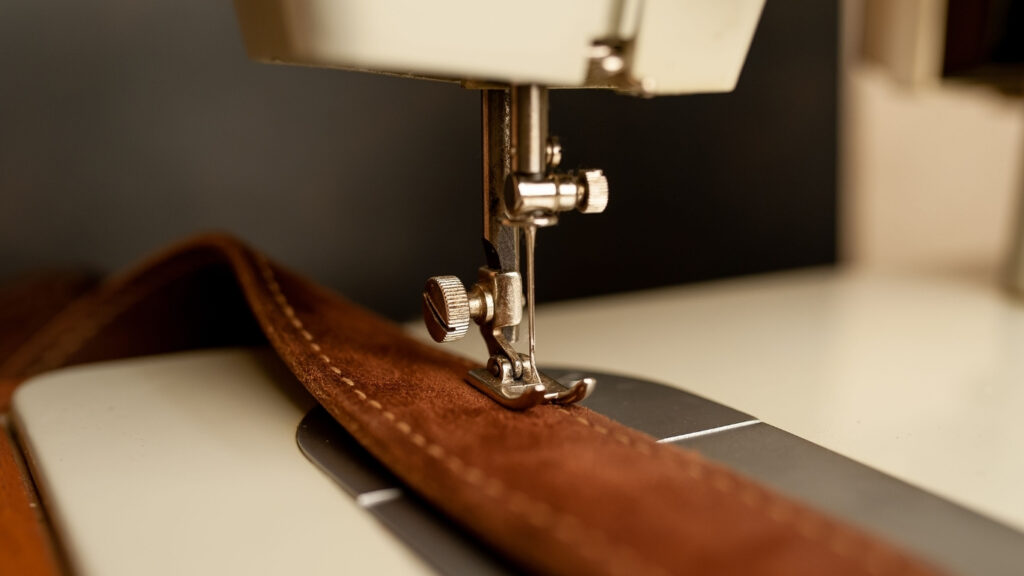
- controlled stitching
- experienced pattern development
- proper edge finishing
- deep material understanding
Without technical expertise, the final product can easily look poorly finished or structurally weak.
Why Product-Based Brands Need Specialized Manufacturing Partners
For brands building premium sustainable collections, manufacturing quality directly affects:
- customer perception
- repeat purchases
- product durability
- luxury positioning
- brand credibility
An experienced vegan leather manufacturer understands how to balance:
- aesthetics
- structure
- functionality
- sustainability
This becomes even more important for:
- bags
- sleeves
- organizers
- corporate gifting products
- fashion accessories
- tech accessories
Because bio leather materials behave differently during production, sampling and prototyping become critical stages.
The Difference Between Commodity Production And Craftsmanship
Many factories can produce products.
Very few can engineer products around difficult materials.
High-quality sustainable manufacturing involves:
- understanding material behavior
- reducing stress points
- adapting construction methods
- optimizing reinforcement placement
- maintaining clean finishing despite rough textures
This is where true craftsmanship separates serious manufacturers from ordinary suppliers.
What Modern Brands Should Look For In A Vegan Leather Manufacturer
When selecting a production partner for sustainable leather products, brands should evaluate:
Material Handling Experience
Can the factory genuinely work with rough plant-based materials?
Sampling Capability
Do they understand product development beyond basic stitching?
Customization
Can they adapt designs according to material limitations?
Finishing Quality
Are edges, seams, and structures professionally executed?
Scalability
Can they maintain consistency during bulk production?
Final Thoughts
The future of sustainable products will not be built by manufacturers treating bio leather like ordinary synthetic material.
As global demand for plant-based leather manufacturing grows, brands need partners who truly understand the technical and aesthetic challenges behind sustainable product development.
Because in this industry, material alone is not enough.
Execution is everything.
For inquiries or to get started with our corporate gifting solutions, please call us at info@tierablue.com or whatsapp us at +91-9999343675.